

Dear Dan,
Hello from 2016.
I am writing this letter to you from the home office in Victoria. Do you still live in Victoria? It’s 2026, after all, so I am guessing you are in Portugal by now, what with all the goats in university.
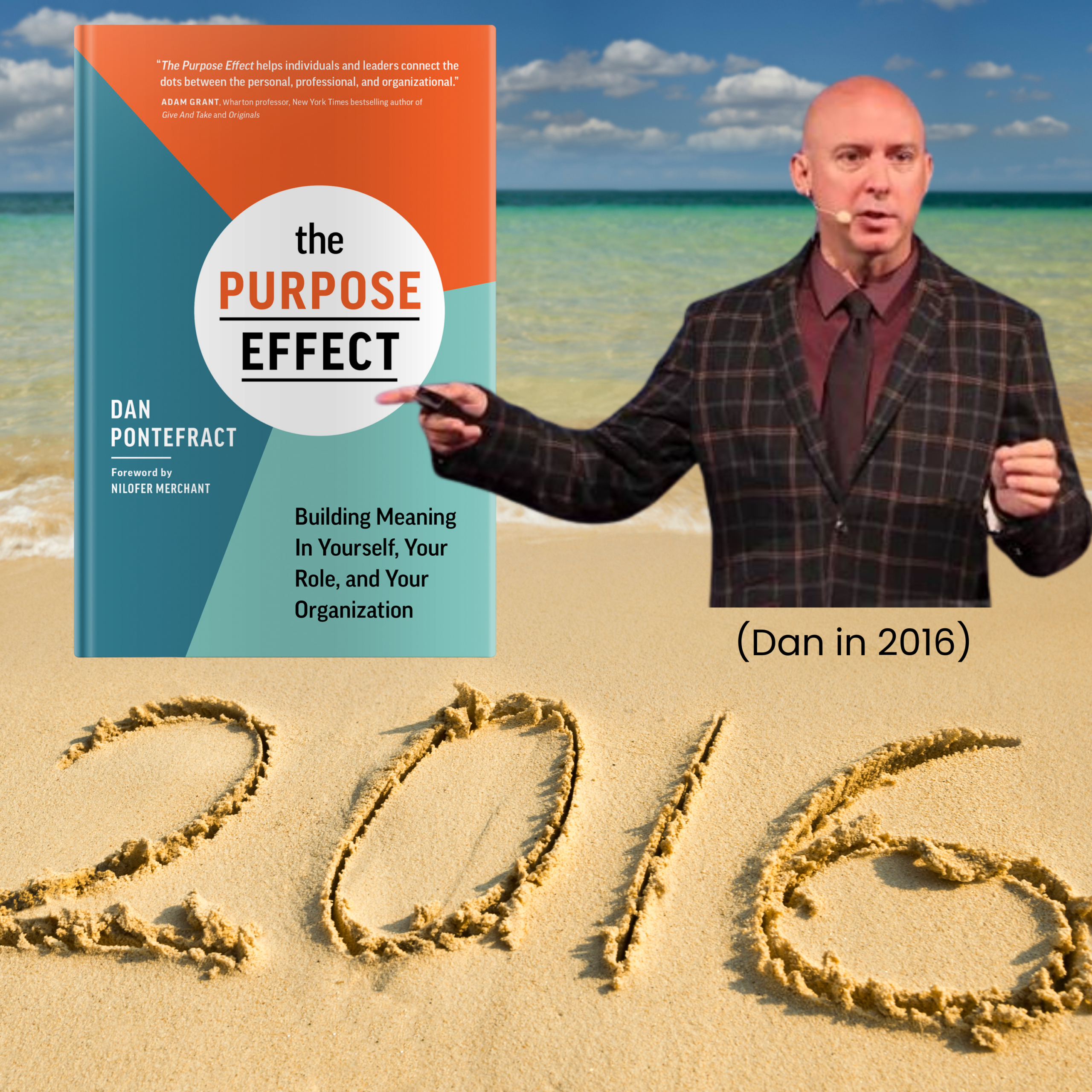
 It’s now been 10 years since you published The Purpose Effect. Have you written any other books? Or did that one do you in?
You are 55 now, if my arithmetic holds. I want to put down, in plain ink, what I hope purpose will have done by the time you open this in 2026. Consider it a message in a bottle, tossed by the bald optimist to whomever you've become, assuming you’re still bald and wear hats. (And still an optimist.)
Let’s begin with Sunday nights.
Do millions of people still get that feeling, that slow tightening in the gut around seven o'clock when the weekend concludes, and Monday stands at the door holding a soulless lanyard or badge to get into the building?
In 2016, Gallup says 67 percent of workers in America and Canada are either not engaged or actively disengaged. That is two out of every three people spending the best hours of their lives in a building (or a cubicle, or a truck cab, or a dentist’s office) waiting for the clock to release them.
I have watched good people shrink in those workplaces. I hope the number has fallen and fallen hard. Get it below half, and I will throw another of my famous dance parties with too many cocktails.
Surely the number has dropped after ten years.
Surely.
Wait, do they still measure employee engagement?
Next, let’s discuss the mindsets. In the book, I introduce three workplace mindsets.
- The job mindset trades hours for a paycheque. Tell me fewer people are in it only for the pay.
- The career mindset is worse in its own unique way, a hungry animal that feeds on colleagues for bigger titles, salary, and span of control. We’ve got less ego-driven, maniacal leaders in 2026, right?
- I hope the purpose mindset won. I hope a 24-year-old today finds it odd that anyone ever had to choose between meaning and the career- or job-mindset.
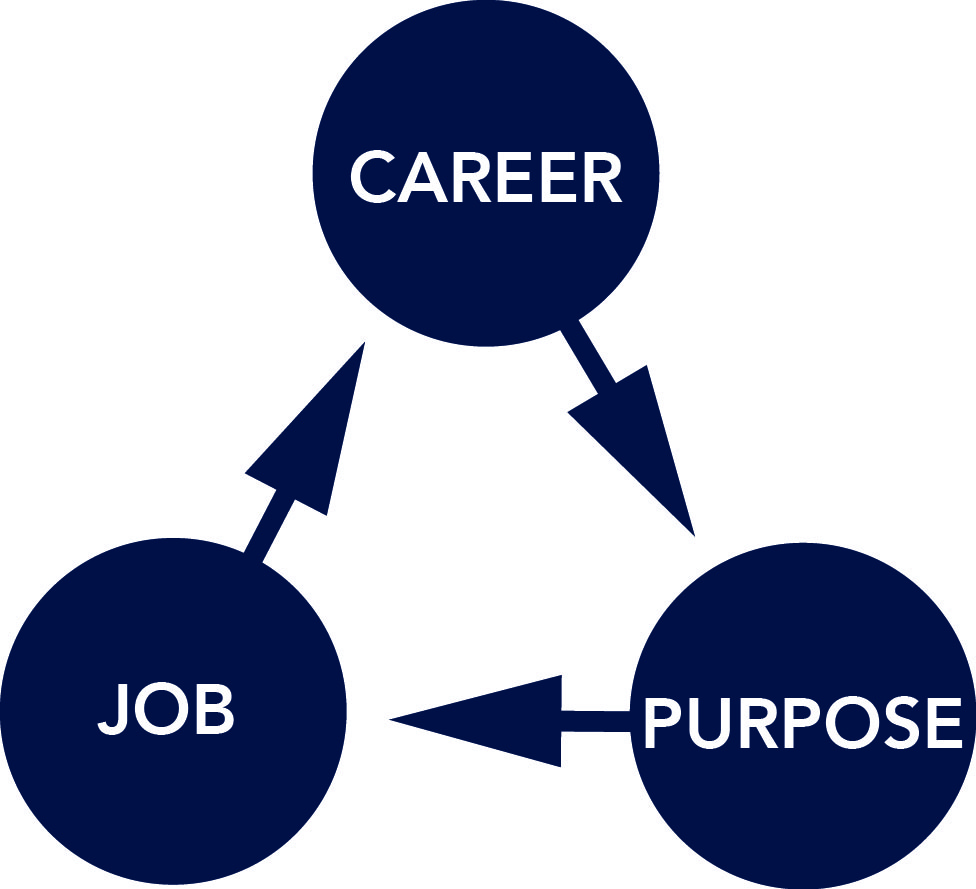 Are more people finding and enacting their purpose at work? Gosh, I hope so. It’s been 10 years. (Also, did you get fired? Maybe they had enough of your 'purpose.')
Then there are the organizations.
In the book, I argue that the purpose of an organization ought to be to provide service that benefits all intended stakeholders, be it customers, team members, the community, and owners, all served alike, and profit arriving as the by-product rather than the point.
A by-product!
Surely a decade was long enough for that to become common sense.
Tell me it did.
Tell me some sort of "Business Roundtable" got together, defined what a purpose-driven organization ought to stand for, and held boards, C-suites, and leaders to the task.
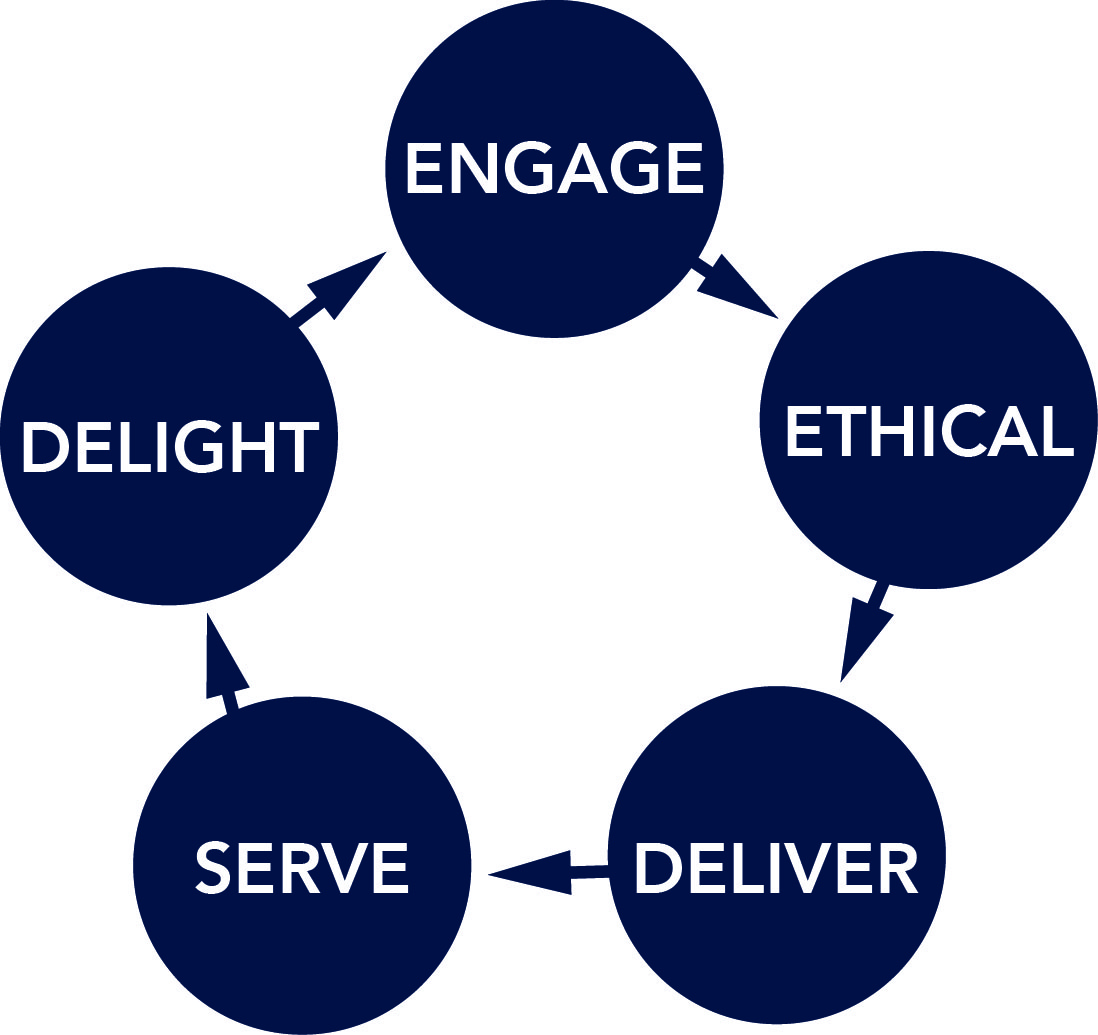 I hope the organizational purpose model, the Good DEEDS, moved from a book concept to annual reports. I hope “maximize shareholder value” reads like a new dinosaur-breed discovery in Alberta’s Bonebeds, or at least the modern-day equivalent of a fax machine.
Sidebar: Do doctors' offices still use fax machines?
I hope layoffs stopped arriving by email on a Tuesday, with the stock bump landing the next day.
Surely people are still not being fired by email, are they? (You might want to check in with Oracle—they’re known for such shenanigans.)
What about the environment? Have our community and earth become a critically important stakeholder in our now purpose-driven organizations?
This past spring, I want you to remember that 88,000 people fled Fort McMurray with whatever they could grab, evading scorching fires on both sides of the only highway out.
Some 2,400 homes and buildings are left as ash.
In The Purpose Effect, I argued that an ethical organization owes society improved results that are financially, environmentally, socially, and educationally sound. I meant every word.
I hope 10 years of Good DEEDS thinking has resulted in boardrooms that took the smoke personally and that nobody still treats the planet as an externality or someone else’s problem.
And I hope your summers in BC still smell of cedar and salt rather than something burning. (Unless you’re now in Portugal. If so, surely there are no summer wildfires in Europe, right?)
So, tell me, Dan.
- Did boards start asking about purpose before they asked about the quarterly results or headcount reductions?
- Did leaders stop hanging purpose statements in the lobby while failing to actually care about the people in the hallway?
- Did anyone finally retire the word “employee”? (It’s not that hard to use “team member," is it?)
And what about the machines?
Has it been a ‘rise of the machines’ moment? Is HAL 9000 in charge? What about WALL-E? At least that robot was kind and looking after the planet.
I noted in the book that roles will come and go because of automation and artificial intelligence, among other reasons. Were you ahead of your time?
My hope is that we used the hours automation, robotics, and especially AI handed back to do more meaningful work.
My fear—and I am writing it down in this letter so you can hold me to it—is that we used the new technological advances to squeeze more out of fewer people and then called the results of “cost efficiency programs” a success.
Has it been a success? And what of young people—are they being replaced by the robots?
 If you are reading this and wincing, if the number—scratch that, the whole thing—went the wrong way, if the purpose posters multiplied while the leaders who created them spoke and acted with irony, then I am sorry.
I was an optimist. I hope I still am.
It’s why I am writing to you. Maybe it’s a reminder.
Do you still live by the declaration? You know the one:
We're not here to see through each other; we're here to see each other through.
Have you kept saying yes to the right things and no to the career-girth things?
Have you stayed close to the goats as they grew and to Denise?
Did you at least buy a few EVs?
One question keeps me awake tonight.
The three goats are asleep upstairs and in the basement, and by the time you read this, they'll be at university, a few years away from starting their first real jobs.
What kind of workplaces are waiting for them?
Will they feel that Sunday knot?
Will some manager with a career mindset and a quarterly target teach them, within a year of arriving, that work is something to be survived?
If so, this book was a pleasant idea that changed nothing, and you have unfinished business.
Did anyone even read it?
If the world got worse, your work would become more urgent.
Make meaning. Keep pushing. Write on, Dan.
The world needs purpose. (You should rewatch your own TED Talk on the matter.)


